The
most special jewels look their best to create mesmerising gemstone combinations. Diamonds adorn
all types of design: minimalist, classic, glamourous,
or avant-garde. Semi-precious stones such as topaz, citrine, opal, tourmaline or amethyst, adorn
sophisticated and colourful pieces. Gemstones, traditionally emerald, ruby and sapphire, decorate irresistible jewels
with their intensity and beauty.
Fixing a stone or gemstone on a piece of jewellery is a special procedure called setting or mounting, which varies according to the jewel’s size, design or style. We will now explain some of the most common.
1. The bezel or chaton setting
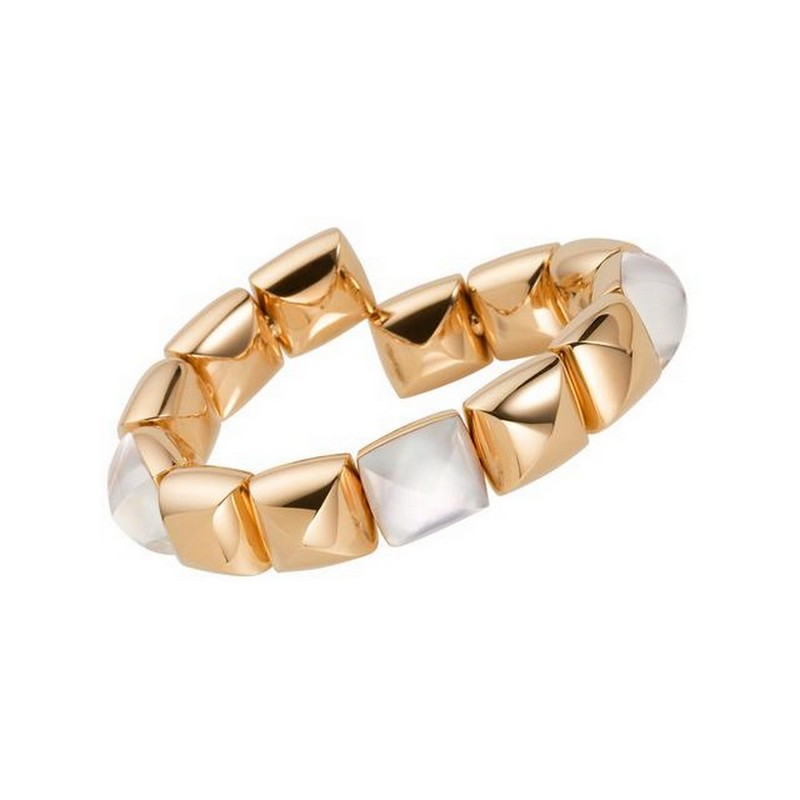
Traditionally used for solitaire or engagement rings, the bezel setting is characterised by a sloping casing that holds the stone in place, made to “enclose” it. Because of the safety it offers,
it has become one of the most common settings in jewellery.
There are different types of
chaton settings, but one of the most common is the so-called level setting, where the precious stone is set at the same level as the rest of the jewel and does not protrude. This type of setting protects
the stone very effectively and prevents the piece from getting caught on clothing or
becoming damaged when cleaning it,
for example, while allowing it to
shine in all its splendour. Many of the jewels from brands as exclusive as
Chopard
or
Vhernier are designed using this type of setting.
2. Prong setting
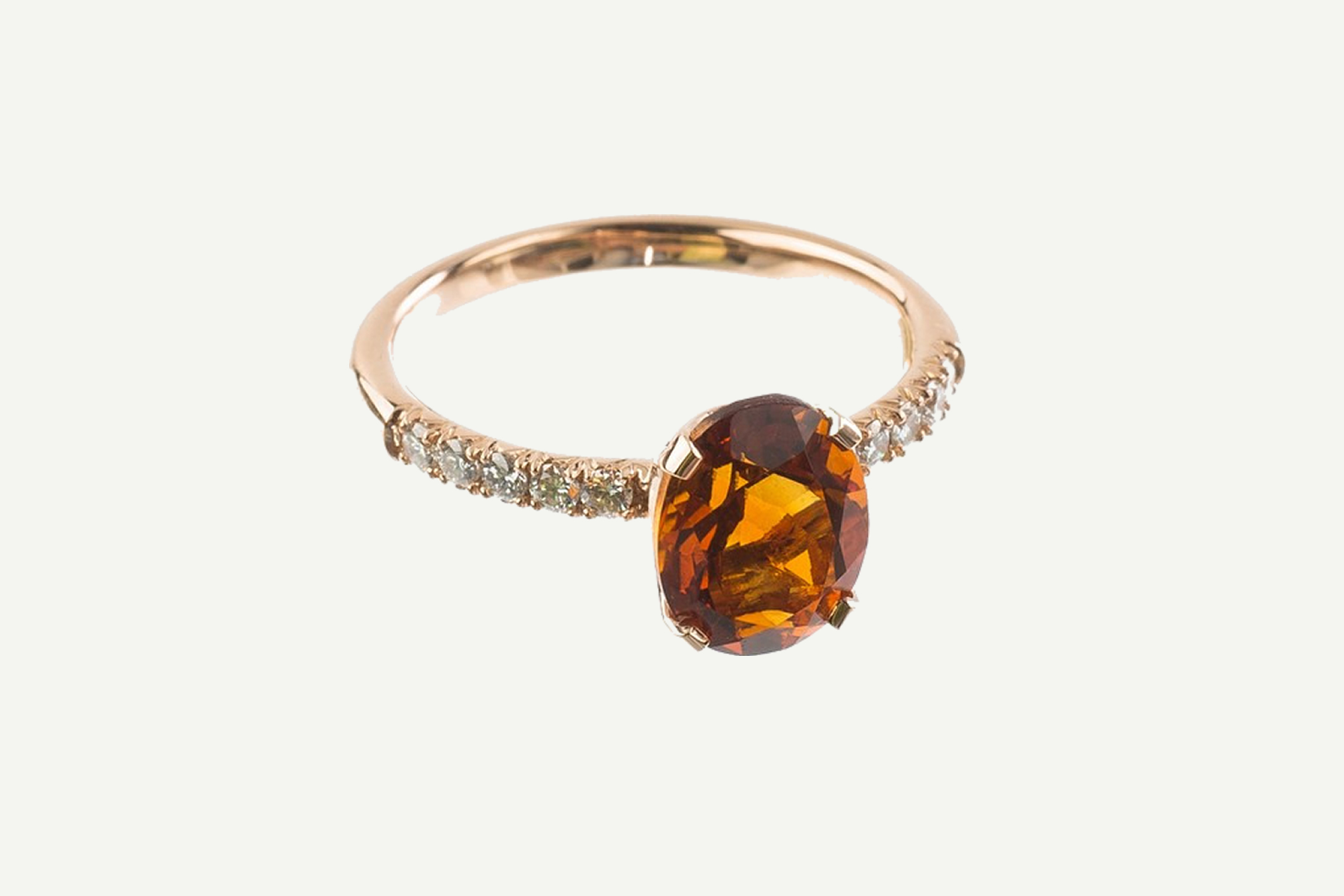
The prong or claw setting is used to enhance the natural beauty of the gemstone. In this design, the gemstone is held in place by several prongs with a variable number of “claws”. It is another classic in jewellery making
because of its elegance and refinement, making the stone stand out in all its splendour. This setting is used to emphasise a gemstone’s colour, sparkle or shape and to bring to light its most impressive features.
The prong setting is usually used for solitaire or engagement rings to highlight the value of the diamond that adorns it. This type of setting is also common in earrings, necklaces or bracelets with colourful gemstones or semi-precious stones.
3. Rail setting
This setting, also called
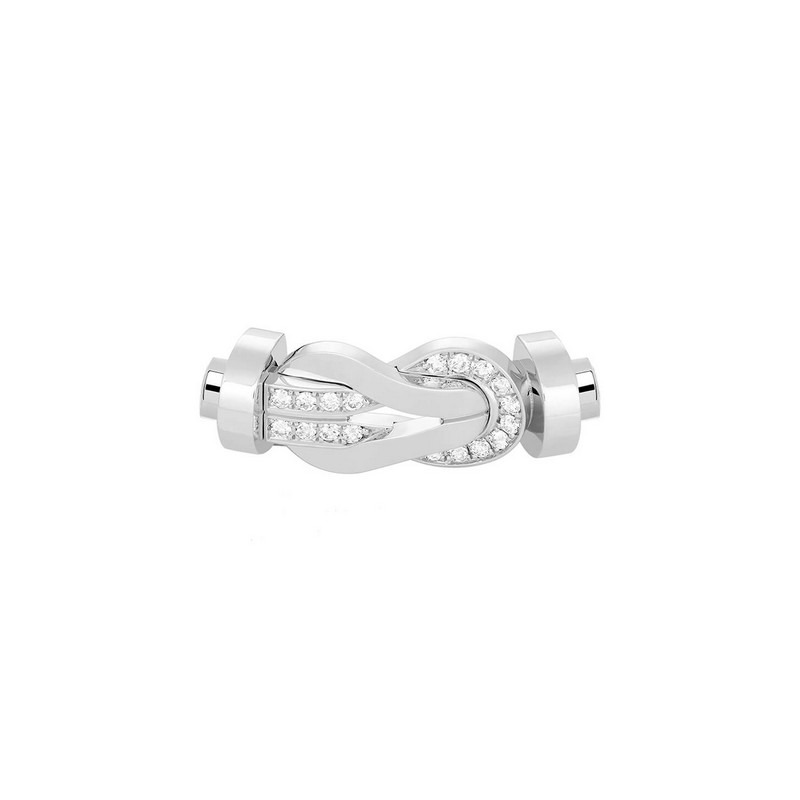
channel setting, involves placing the stones in a row, next to each other. The jewel is designed with a rail so that the gemstones can be aligned. It is easily recognizable because of the
sides of this rail, where the stones are placed. Some jewels that are worth mentioning are those by
Pasquale Bruni,
Fred or
Setenta y Nueve.
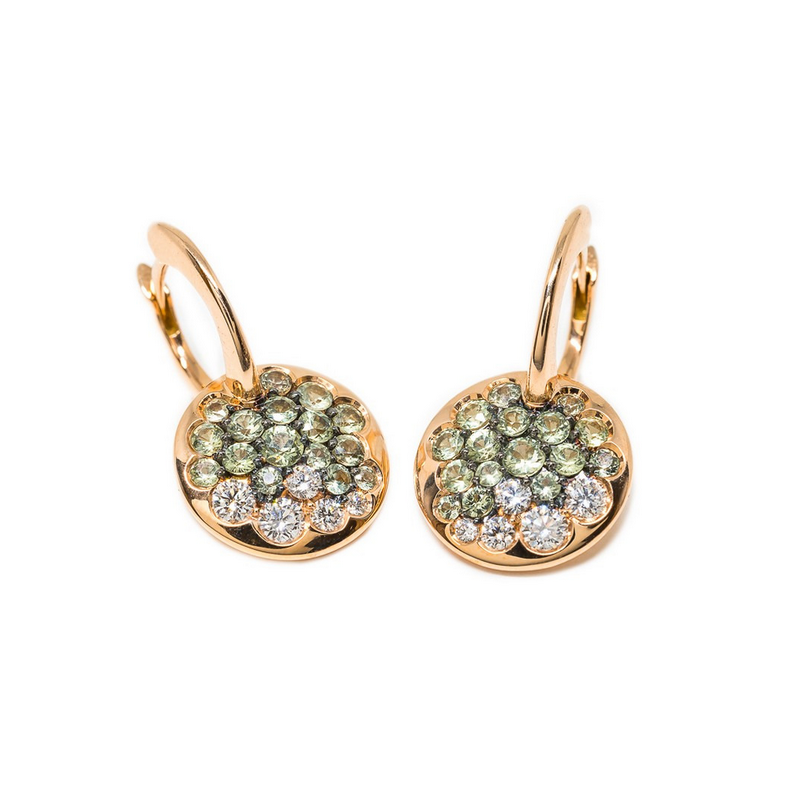
4. Pavé setting
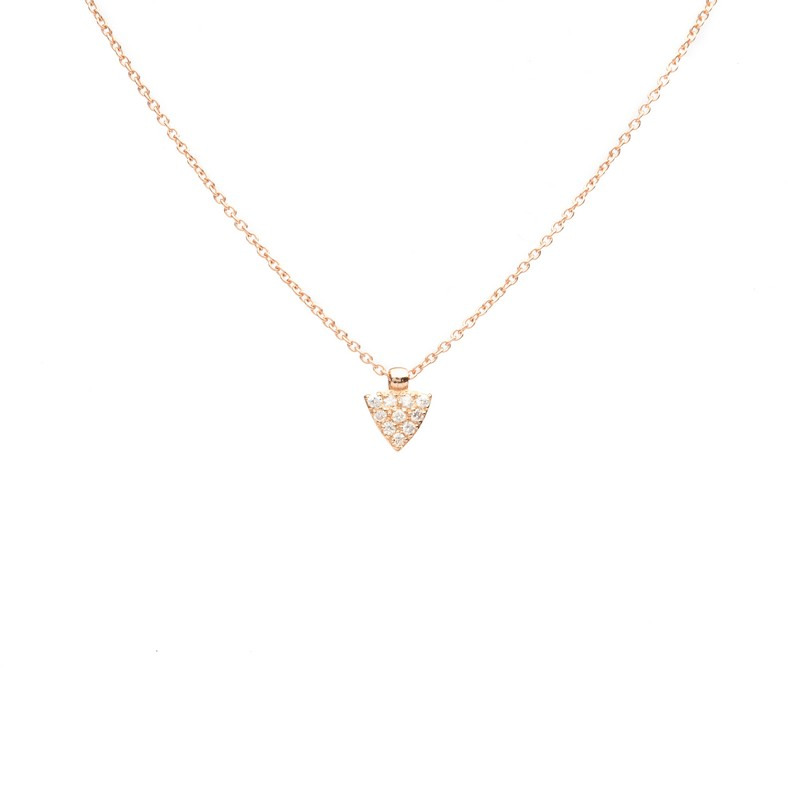
The pavé setting is characterized by many small stones set close to each other, separated by metal beads that hold them in place. At first sight, it could be mistaken for a rail setting, but the difference is that
the latter only includes one line of stones. The pave setting is commonly used to decorate all types of jewellery pieces, from pendants to XXL earrings, rings or charms.
Discover Relojería Alemana’s selection of fine jewellery designs with
gemstone or semi-precious stone settings. Visit us in
our stores in Mallorca
and receive personalised advice from our experts.